
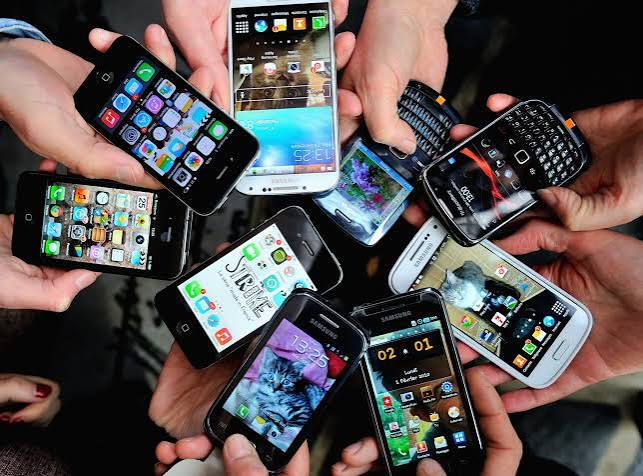
Imagine trying to explain today’s smartphones to someone from the early 2000s. A device that fits in your pocket can now capture cinematic videos, translate languages in real time, monitor your health, edit professional photos, and even generate content using artificial intelligence. What once seemed like science fiction has become part of everyday life.
But as impressive as today’s smartphones are, the journey is far from over. The next generation of smartphones is set to redefine how we interact with technology, making our devices smarter, more intuitive, and more seamlessly integrated into our lives.
A Quick Look Back
The first mobile phones were designed for one purpose: making calls. They were bulky, expensive, and had limited functionality. Then came text messaging, color screens, and basic internet access.
The launch of the modern touchscreen smartphone transformed everything. Suddenly, our phones became cameras, music players, gaming consoles, GPS navigators, and portable computers all in one. Mobile apps created entirely new industries, from ride-sharing and food delivery to online banking and digital education.
Today, smartphones are no longer just communication devices—they are the control centers of our digital lives.
Artificial Intelligence Is Becoming Your Personal Assistant
One of the biggest changes shaping the future of smartphones is artificial intelligence (AI).
Instead of simply responding to commands, tomorrow’s smartphones will understand your habits, preferences, and routines. Imagine waking up to a phone that has already summarized your emails, suggested the fastest route to work, organized your schedule, and recommended the perfect playlist based on your mood.
AI will also make smartphones more useful by:
- Writing and summarizing documents instantly.
- Translating conversations in real time.
- Editing photos and videos with professional-quality results.
- Managing daily tasks automatically.
- Providing smarter voice interactions that feel natural and conversational.
Your smartphone will become less like a tool and more like a personal digital companion.
Cameras Will Reach New Heights
Smartphone photography has improved dramatically over the past decade, but the future looks even more exciting.
Advancements in computational photography and AI will allow users to capture stunning images in almost any lighting condition. Future cameras may automatically remove distractions, enhance backgrounds, improve portraits, and create professional-quality videos with minimal effort.
Features we may soon see include:
- Crystal-clear zoom without losing quality.
- Enhanced night photography.
- AI-powered video editing in seconds.
- Real-time cinematic effects.
- Advanced 3D photo and video capture.
Professional photography may become accessible to anyone with a smartphone.
Foldable and Rollable Displays
Smartphone design is also evolving.
Foldable devices have already introduced new possibilities by combining the portability of a phone with the larger display of a tablet. The next step could be rollable displays that expand with the touch of a button, giving users more screen space without increasing the size of the device in their pocket.
Future displays may also feature:
- Nearly invisible bezels.
- Stronger and lighter materials.
- Self-healing screens that repair minor scratches.
- Improved durability against drops and water damage.
Longer Battery Life and Faster Charging
Battery technology remains one of the biggest challenges in the smartphone industry.
Researchers are developing new battery materials that promise:
- Longer-lasting power.
- Faster charging times.
- Improved safety.
- Longer battery lifespan.
Imagine charging your smartphone in just a few minutes and using it comfortably for several days on a single charge. As energy efficiency improves, this vision is becoming increasingly realistic.
What Comes After Smartphones?
Some experts believe smartphones will eventually evolve into something even more seamless.
Wearable devices, augmented reality glasses, smart contact lenses, and AI assistants could gradually reduce our dependence on traditional screens. Instead of constantly looking down at a phone, digital information may appear naturally within our surroundings.
While smartphones are unlikely to disappear anytime soon, they may become part of a broader ecosystem of intelligent devices working together effortlessly.
Prices of Smartphones can rise to:-
| PHONES | Present Prices | Future Prices |
| Iphone | 700$ | 100$ |
| Samsung | 900$ | 500$ |
| Futuristic Phones | 1000$ | 2000$ |
Final Thoughts
The evolution of smartphones is a remarkable story of innovation. From simple communication tools to powerful AI-driven companions, these devices have transformed nearly every aspect of modern life.
The next chapter promises even greater advancements—smarter artificial intelligence, revolutionary camera systems, immersive augmented reality, faster charging, stronger security, and sustainable designs. As technology continues to advance, smartphones will become more than gadgets; they will become intelligent partners that help us work, learn, create, and connect in ways we can only begin to imagine.
One thing is certain: the future of smartphones isn’t just about better hardware. It’s about creating experiences that make our lives easier, more productive, and more connected than ever before.